
What Is Barcode-Based Warehouse Management? Benefits, Process & Best Practices
Managing inventory manually can become challenging as warehouse operations grow. Manual processes often lead to data entry mistakes, inventory discrepancies, and delays in order fulfillment. Barcode-based warehouse management helps businesses overcome these challenges by improving inventory accuracy, enabling real-time tracking, and streamlining warehouse operations.
With barcode technology, warehouse teams can track inventory movements efficiently, reduce manual effort, and gain better visibility into stock across multiple locations.
What Is Barcode-Based Warehouse Management?
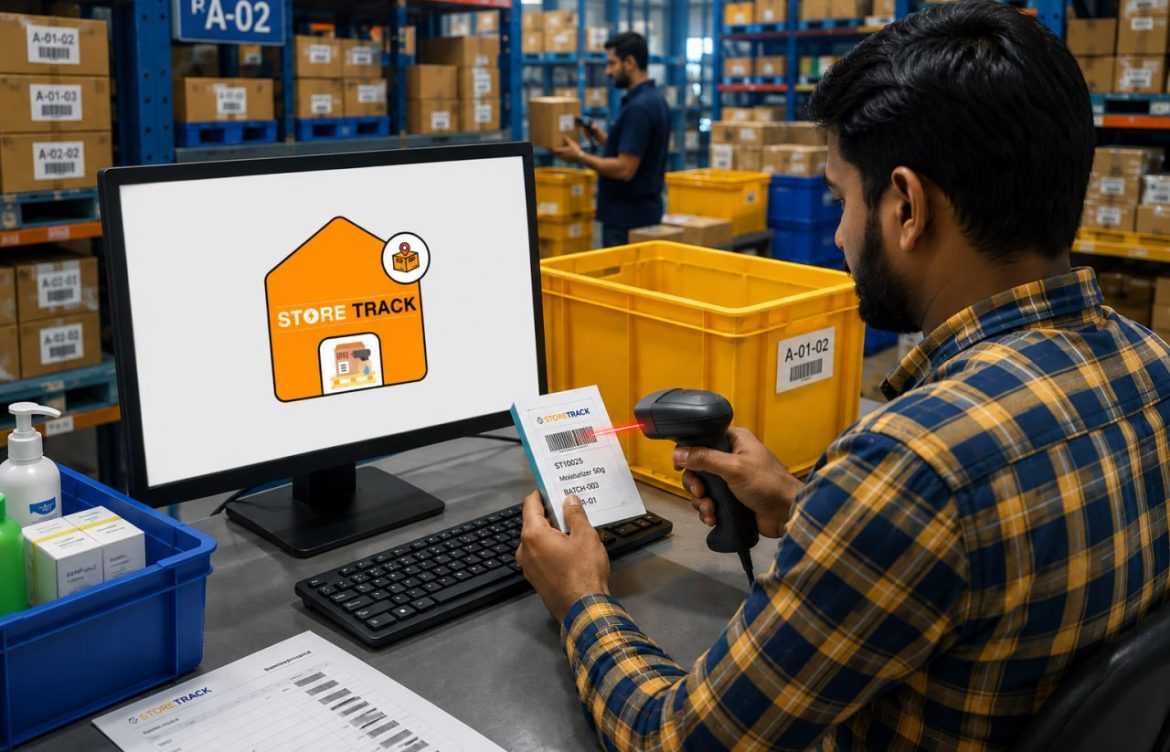
Barcode-based warehouse management is a method of tracking inventory using barcode labels and scanning devices throughout warehouse operations.
Each product receives a unique barcode containing important information such as product details, batch numbers, storage locations, or stock quantities. Warehouse employees scan these barcodes during various activities, including receiving, putaway, picking, packing, and dispatch. As a result, inventory records are updated instantly and remain accurate.
Additionally, barcode technology helps warehouses maintain better control over inventory while reducing the risk of human error.
How Does Barcode-Based Warehouse Management Work?
A barcode-based warehouse management system follows a structured process to ensure accurate inventory tracking.
1. Barcode Labeling
The process begins by assigning barcode labels to products. These labels make it easier to identify, track, and manage inventory throughout the warehouse.
2. Receiving Inventory
When inventory arrives at the warehouse, employees scan the barcode labels to verify product quantities. The system then updates inventory records automatically, reducing manual data entry.
3. Inventory Storage
After receiving inventory, warehouse staff scan products and assign them to designated storage locations. This process helps maintain organized inventory and improves product accessibility.
4. Dispatch and Tracking
Before products leave the warehouse, employees scan them again to confirm order accuracy. The system updates stock levels immediately, ensuring accurate inventory records and shipment tracking.
Benefits of Barcode-Based Warehouse Management
Implementing barcode-based warehouse management offers several advantages for businesses looking to improve warehouse efficiency.
Improved Inventory Accuracy
Barcode scanning significantly reduces manual entry errors. As a result, inventory records remain accurate and up to date.
Faster Warehouse Operations
Employees can quickly locate, verify, and process inventory. Therefore, warehouse operations become faster and more efficient.
Better Inventory Visibility
Real-time inventory updates provide greater visibility into stock levels and product movements. This visibility helps businesses make informed inventory decisions.
Reduced Picking Errors
Barcode verification during picking ensures employees select the correct products and quantities. Consequently, order accuracy improves and customer satisfaction increases.
Enhanced Productivity
Warehouse teams spend less time searching for products and correcting inventory discrepancies. This improvement allows employees to focus on more productive tasks.
Best Practices for Implementing Barcode-Based Warehouse Management
To maximize the value of barcode technology, businesses should follow several best practices.
- Use clear, durable, and high-quality barcode labels.
- Establish standardized barcode scanning procedures across warehouse operations.
- Maintain accurate product, location, and inventory data.
- Train warehouse employees on barcode scanning workflows and inventory management processes.
- Integrate barcode systems with warehouse management software to enable real-time inventory visibility.
By following these practices, businesses can improve inventory control and maximize operational efficiency.
Frequently Asked Questions
What is barcode-based inventory management?
Barcode-based inventory management uses barcode labels and scanners to track inventory movements and maintain accurate stock records.
How do barcodes improve warehouse accuracy?
Barcodes reduce manual data entry and verify products during warehouse activities, helping prevent inventory errors and picking mistakes.
Why is barcode scanning important in warehouses?
Barcode scanning improves inventory visibility, speeds up warehouse operations, and supports accurate order fulfillment.
Can barcode systems reduce inventory discrepancies?
Yes. Real-time barcode scanning updates inventory records immediately, helping businesses reduce stock mismatches and maintain accurate inventory levels.
Conclusion
Barcode-based warehouse management plays a critical role in improving inventory accuracy and warehouse efficiency. By automating inventory tracking and reducing manual processes, businesses can gain real-time visibility into stock movements, improve order accuracy, and enhance productivity.
As warehouse operations continue to expand, implementing barcode-based warehouse management can help businesses build a more scalable, efficient, and reliable inventory management system.